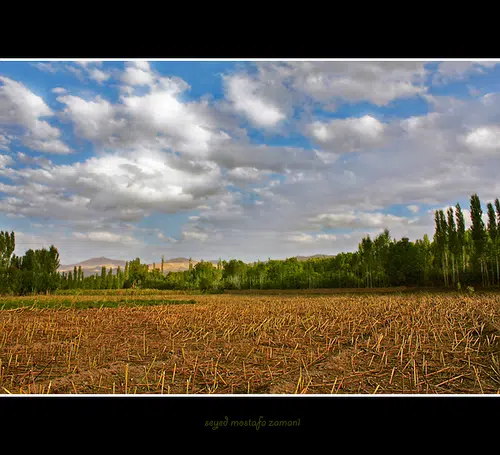
About one in nine people working in Wisconsin holds a job related to agriculture. Agriculture is the cornerstone – one of the most important components of our state’s strong and diverse economy. March 14, National Ag Day, is an opportunity for all of us – those of us who are from the farm and those who are not – to take a moment and reflect on the importance of agriculture and our state’s family farmers in our day-to-day lives.
Kimberly:
Agriculture is not just the farms and the fields we see as we drive along the interstate or back roads. It is more than just the farmers’ markets or the days you remember spending on your grandparents’ farm. It’s more than the $88 billion that agriculture brings into Wisconsin every year. It’s the farm families that grow our crops and care for our livestock. It’s the local schools and libraries where their children learn, and the small local businesses they support in their rural communities. Agriculture is a source of pride in our heritage, a source of jobs, and a source of support that helps keep our rural areas thriving.
Kimberly:
Wisconsin is a proud, diverse, and strong agricultural state, from our productive farms to our rural manufacturing to our urban food processing. No state raises more cranberries than Wisconsin. We rank among the nation’s top producers of processing vegetables, and are second only to California is fresh organic vegetables. When you squeeze toothpaste onto your brush, the mint flavoring probably came from our top-ranking mint farms. Our wine grape growers are coming into their own, along with our hops growers. With about 72,000 milk goats, our state also leads the nation in the dairy goat industry.
Our state is and will continue to be known as America’s Dairyland with thousands of dairy farms across Wisconsin. I grew up on my own family’s dairy farm in northern La Crosse County. It is there that my admiration and deep respect for farmers began. As we always say, we need farms of all types and sizes, and we have room for them all. We all know that farmers are facing challenging times with high production, low prices in the marketplace, and trade uncertainty.
What makes me most proud to be part of our state’s agriculture industry is that when a challenge presents itself, farmers come together to address it. Some farmers are incorporating technology into their barns and farm machinery to gain efficiencies. More and more dairy farmers are turning to grazing as a system that cuts down on feeding costs and managing manure. Our Dairy Task Force 2.0 is working to develop recommendations to support the industry, find new ways to improve profitability, and to carry our dairy heritage into the next generation.