



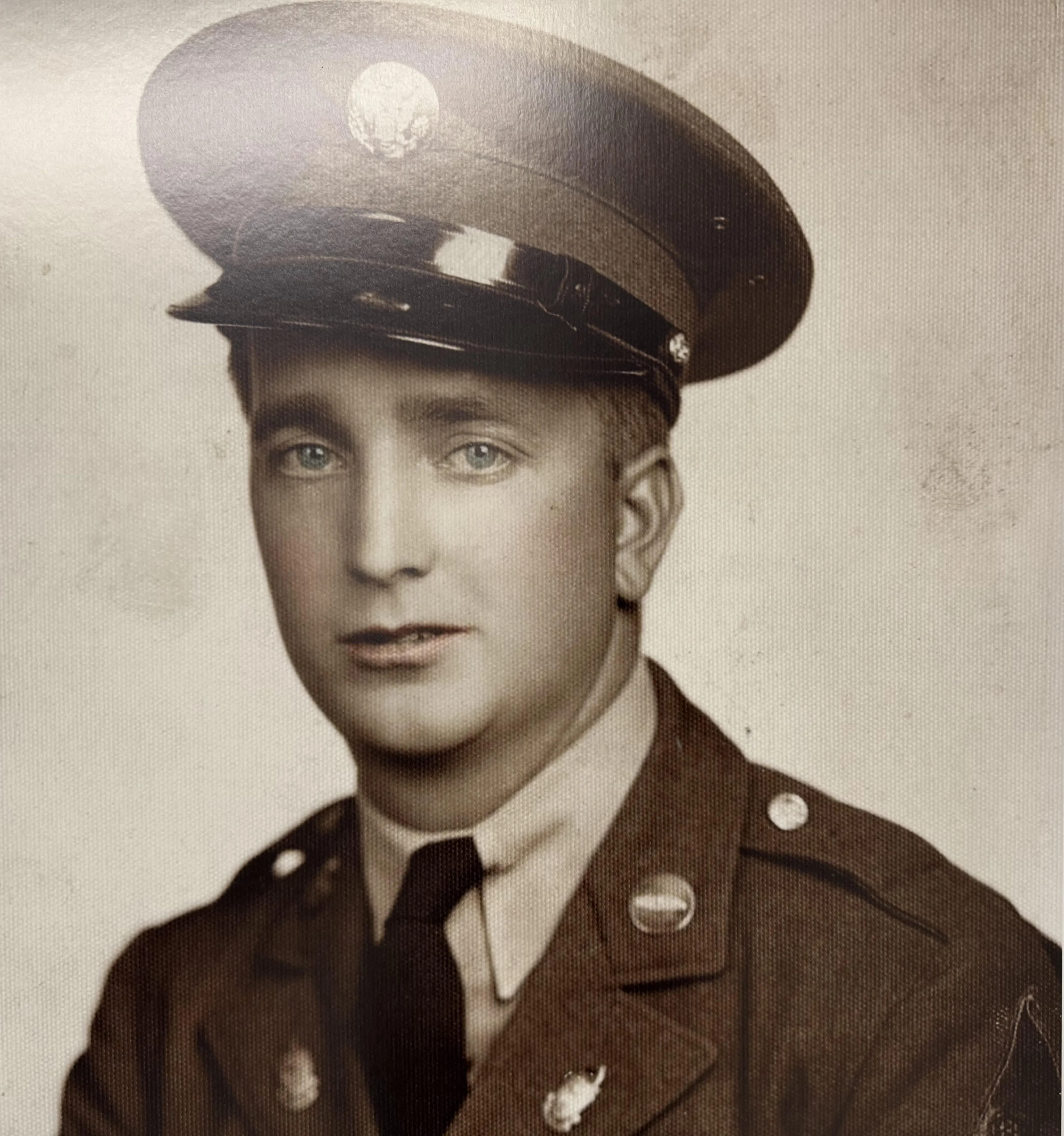
SHAWANO, WI – After more than eight decades, U.S. Army Air Forces Pvt. Herbert E. McLaughlin is finally coming home.
McLaughlin, 31, of Shawano, was killed during the Japanese attack on Hickam Field in Hawaii on December 7, 1941. The Defense POW/MIA Accounting Agency (DPAA) announced on May 20, 2025, that his remains were officially accounted for on December 17, 2024.
At the time of his death, McLaughlin was assigned to Headquarters Squadron, 17th Air Group, stationed at Hickam Airfield near Pearl Harbor. During the infamous attack that launched the United States into World War II, Japanese aircraft struck multiple targets across the base, including barracks, aircraft, supply depots, and the base chapel. The assault lasted four hours. McLaughlin was one of the many killed during the chaos.
His remains were initially recovered by Navy personnel and buried at Schofield Barracks Cemetery. However, due to the devastation and lack of identification methods at the time, he was later reclassified as “non-recoverable” and buried among 12 unidentified servicemen at the National Memorial Cemetery of the Pacific, known as the Punchbowl, in Honolulu.
Efforts to bring closure to families continued decades later. In 2019, the DPAA exhumed the 12 unknowns from the Punchbowl and began extensive analysis. Using anthropological evidence, circumstantial information, and DNA testing—including mitochondrial and Y-chromosome DNA, McLaughlin was finally identified.
His name is etched into the Courts of the Missing at the Punchbowl, where a rosette will now be placed beside it, signifying that he has been accounted for.
Private Herbert E. McLaughlin will return to his hometown this Wednesday. A graveside service honoring his sacrifice will be held at 11:00 a.m. on Saturday, August 9, 2025, at Woodlawn Cemetery in Shawano. Swedberg Funeral Home is handling the local arrangements.
After 83 years, Shawano will finally welcome home one of its own, a hometown hero who gave his life in the earliest hours of America’s involvement in World War II.










Comments