



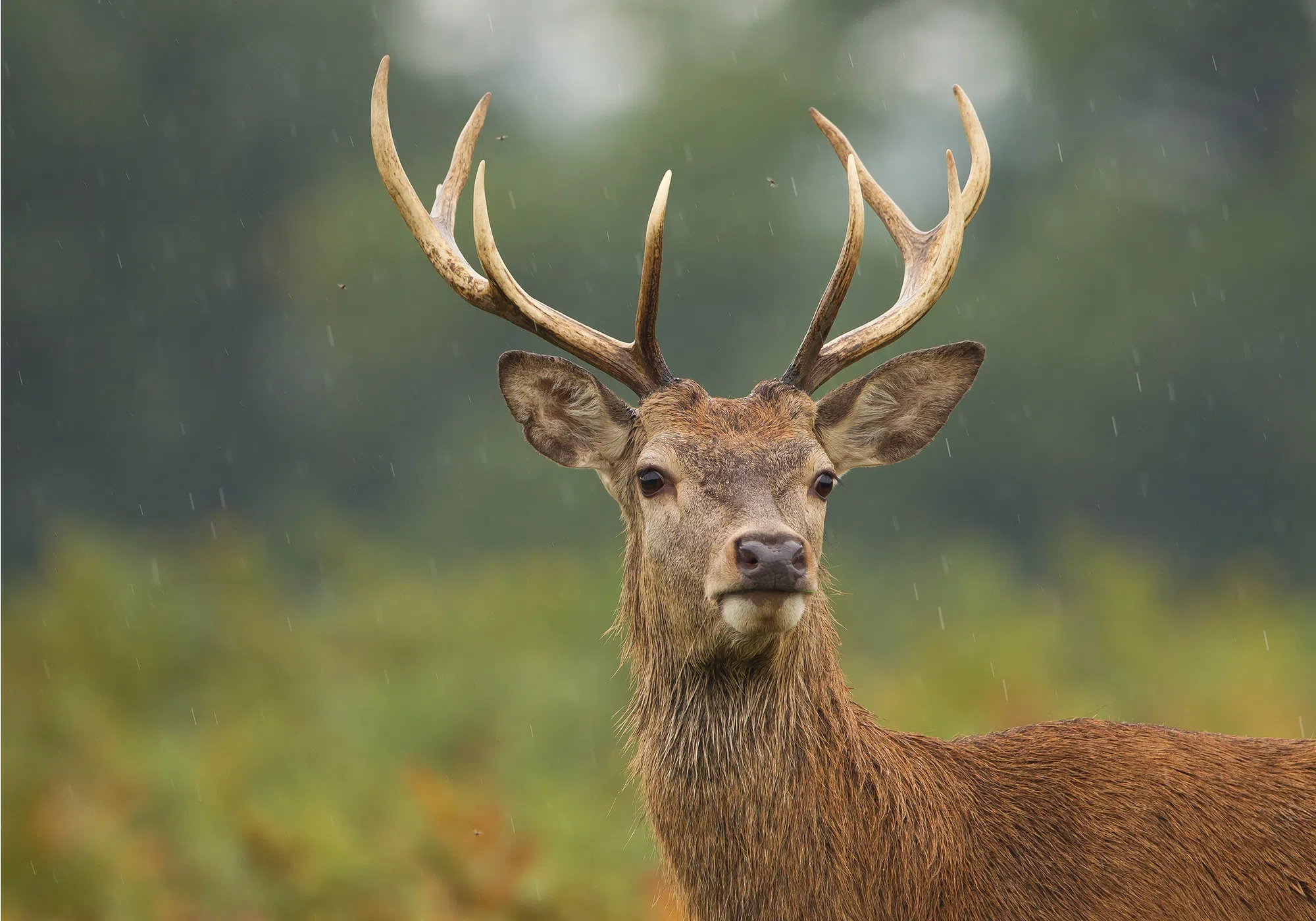
MENOMINEE RESERVATION — The Menominee Reservation has confirmed its first positive case of chronic wasting disease (CWD), tribal Chairwoman Gena Kakkak announced.
The case was identified after a hunter harvested a buck on November 19 in the southeast corner of the reservation. Testing later confirmed the deer was positive for CWD, a fatal neurological disease affecting the nervous system of deer, elk, moose, and caribou.
CWD belongs to the prion disease family, characterized by misshapen proteins that spread through animal-to-animal contact or the environment via bodily substances or infected carcasses. These prions are highly resilient and can remain infectious in soil for years, posing an ongoing risk to wildlife.
Deer infected with CWD may appear healthy for months but eventually exhibit symptoms such as significant weight loss, drooped heads and ears, poor coordination, excessive salivation, and reduced fear of humans.
Kakkak urged tribal members to avoid consuming meat from deer testing positive for CWD, citing recommendations from the Wisconsin Department of Health Services (DHS), the Centers for Disease Control and Prevention (CDC), and the World Health Organization (WHO). She emphasized the importance of testing all harvested deer for CWD, regardless of their physical condition, especially in areas with known cases.
“To date, there have been no reported cases of CWD infection in humans,” Kakkak noted.
Tribal hunting regulations on the reservation prohibit baiting deer, a rule that remains in effect to help prevent the spread of the disease. Hunters are encouraged to have their deer tested.
Testing services are available at the College of Menominee Nation Culture Building. Deer can be brought to the east side of the building from 8 a.m. to 3:30 p.m., Monday through Friday. For after-hours testing, hunters can leave deer heads in the CWD sampling site box at the same location. The freezer box is checked daily.










Comments